Training
Before/After: How a 90-Day Training Cycle Changed One Cape Town Bistro's Numbers
A real case study from a Cape Town bistro that committed to 90 days of on-site training. What changed before, during, and after, with the lessons learned along the way.
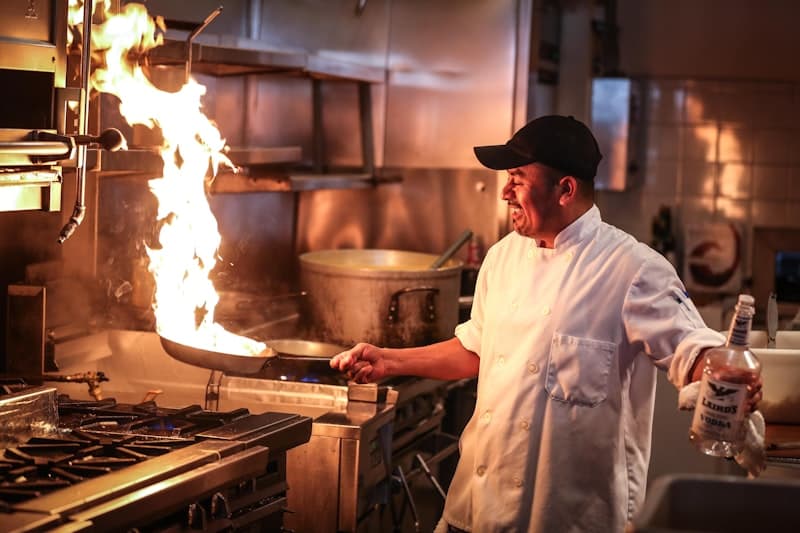
In January 2026, a 45-seat bistro in Cape Town's CBD committed to a 90-day training cycle with HirePro. They were struggling: slipping reviews, drifting gross profit, high staff turnover, and soft average spend per cover. Here's what happened.
Month 1: Assessment and quick wins. We spent week 1 assessing the team on the floor. We found three immediate issues: no upsell attempt on 75% of tables, inconsistent sequence of service (some servers took 3 minutes to greet, others 30 seconds), and a kitchen communication gap causing 15-minute ticket times on simple mains.
We implemented quick wins in week 2: a 10-point service sequence card for every server, a kitchen communication protocol (verbal confirmation at each station), and a wine pairing suggestion for every main course. Results after 2 weeks: upsell rate increased from 25% to 42%. Average ticket time dropped from 15 to 11 minutes.
Month 2: Deep training and standards. We conducted 3 days of on-site training per week for 4 weeks. Focus areas: sequence of service, upsell technique, guest recovery, and wine service. We trained during lunch and dinner service, with real guests, real pressure, and real feedback.
We documented a standards playbook with photographed sequences, upsell scripts, and recovery protocols. Every server signed off on the standards. The manager conducted weekly spot-checks using our 40-point framework. Results after month 2: review scores climbed, gross profit recovered, and average spend per cover rose.
Month 3: Certification and independence. We certified servers who met the standard. We trained the manager on conducting internal audits and coaching. We introduced a peer-review system where servers spot-checked each other. We returned for a final audit and celebration.
Final results after 90 days: review scores up sharply, gross profit recovered, average spend per cover noticeably higher, and staff turnover well down. The bistro owner reported the busiest winter season in years, typically their quietest period.
The key lesson: training works when it's on-site, during service, with real guests. Classroom training would have achieved a fraction of these results. The second lesson: standards stick when they're documented, signed off, and spot-checked weekly. Not monthly. Weekly.
Book a 90-day training cycle for your venue. Or start with a single operational audit to identify your quick wins.
Want the full framework?
Book an operational audit and get the same 40-point framework, profit-leak register, and 30/60/90 action plan we use with every client.
Questions
The honest answers.
How much does a 90-day cycle cost?
R18 000-R28 000 depending on team size and training intensity. The bistro in this case study saw its gross profit and spend per cover climb well above what the programme cost.
Can we do a shorter programme?
Yes. A 2-week focused intervention addresses specific gaps. A 30-day programme builds foundational skills. The 90-day cycle is for comprehensive transformation.